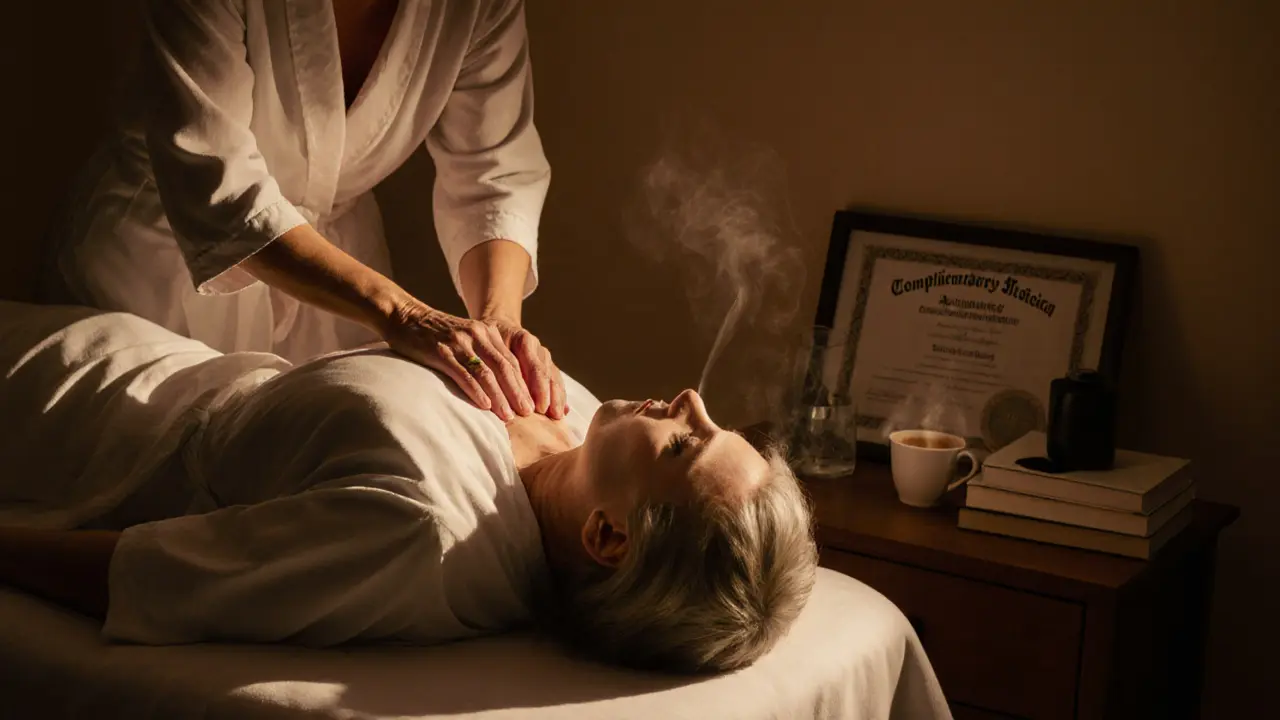
People often assume massage escorts are just about physical intimacy. But in real life, many clients seek them for something deeper: relief from chronic pain, emotional grounding, or simply human connection they can’t find elsewhere. In cities like Bristol, where stress levels are high and mental health services are stretched thin, massage escorts sometimes fill a gap that traditional therapy or medical care doesn’t reach.
What Exactly Is a Massage Escort?
A massage escort is someone who provides professional massage therapy as part of a paid, private appointment-often in a home or hotel setting. The service includes touch-based bodywork like Swedish, deep tissue, or aromatherapy massage. Some offer additional services, but many focus purely on therapeutic touch. Unlike spa therapists, they typically work independently, offer flexible hours, and create a private, judgment-free space.
They aren’t licensed medical professionals, but many have training in anatomy, muscle physiology, or somatic therapy. Some hold certifications from institutions like the Complementary Medical Association or have backgrounds in physiotherapy, yoga, or sports massage. Their value isn’t in replacing doctors-it’s in offering consistent, personalized care that’s hard to find elsewhere.
Therapeutic Touch and the Body’s Stress Response
Human touch triggers measurable biological changes. A 2023 study from the University of Oxford found that 15 minutes of slow, deliberate massage lowers cortisol levels by an average of 31% and increases oxytocin-the bonding hormone-by nearly 25%. These effects are similar to those seen in clinical mindfulness programs.
For people with long-term anxiety, PTSD, or depression, regular massage can be a stabilizing force. One client in Bristol, a nurse working night shifts, told me she booked weekly sessions for two years. "It wasn’t about sex," she said. "It was about feeling safe in my own skin again. Someone touched me without trying to fix me. That was the healing."
Why Traditional Healthcare Falls Short
NHS waiting lists for physiotherapy can stretch beyond six months. Private massage therapists often cost £70-£120 per hour. Many people can’t afford that. Others feel embarrassed to admit they need touch therapy for emotional reasons-not just muscle tension.
Massage escorts, by contrast, often charge £40-£80 per session and offer confidentiality without bureaucracy. They don’t ask for referrals. They don’t log your details in a national database. They show up, listen, and work with what’s in front of them. For someone recovering from trauma, that autonomy matters.

How It Differs From Prostitution
There’s a legal and ethical line here. In the UK, selling sex is not illegal, but soliciting in public or running a brothel is. Many massage escorts operate strictly within the bounds of therapeutic touch. They set clear boundaries. They use consent forms. They train in de-escalation and trauma-informed care.
One practitioner in Brighton, who has worked for 11 years, said: "I’ve turned down more clients than I’ve accepted. If someone’s looking for sex, I say no. If they’re looking for relief from migraines, or they just haven’t been hugged in months, I say yes."
The distinction isn’t always clear to outsiders. But for those who use these services, the difference is everything.
The Hidden Demand for Non-Sexual Touch
A 2024 survey by the UK Society for Touch Research found that 68% of adults under 40 report feeling "touch-starved"-meaning they go days or weeks without meaningful physical contact. This isn’t just loneliness. Lack of touch is linked to higher blood pressure, weakened immune response, and increased anxiety.
Massage escorts meet a real, unmet need. They’re not offering romance. They’re offering presence. One man in Manchester, who lost his wife to cancer, started booking sessions every two weeks. "I don’t cry during the massage," he said. "But afterward, I sleep like I haven’t in ten years."

What Clients Are Really Looking For
It’s not a checklist. It’s not about one specific technique. People come because:
- They have chronic back pain and can’t get an NHS appointment
- They’re recovering from burnout and need quiet, non-verbal support
- They’re neurodivergent and find spa environments overwhelming
- They’re isolated-divorced, widowed, or new to the city
- They’ve been told their pain is "all in their head" and need someone to believe them
These aren’t fringe cases. They’re everyday people. In Bristol, I’ve met teachers, veterans, single parents, and tech workers-all of whom found relief through this kind of care.
Risks and Ethical Boundaries
This isn’t without risk. Unregulated services mean no oversight. Some practitioners lack training. Others exploit vulnerable clients. There are horror stories-cases of coercion, hidden fees, or emotional manipulation.
But the solution isn’t to ban the service. It’s to support safe, ethical practitioners. Some groups in the UK are pushing for voluntary certification standards: mandatory first aid training, client consent protocols, and background checks. A few practitioners now offer session recordings (with consent) to protect both parties.
For clients, the rule is simple: trust your gut. If something feels off, leave. Ask about training. Ask about boundaries. A good practitioner will welcome those questions.
Where This Fits in Holistic Health
Holistic health isn’t just about yoga and kale smoothies. It’s about recognizing that the body, mind, and social environment are connected. Touch is a biological need-not a luxury.
Massage escorts, when practiced ethically, become part of a larger ecosystem of care. They’re not a replacement for therapists or doctors. But for people who fall through the cracks, they’re a lifeline.
Imagine a world where everyone could afford safe, non-sexual touch. Where loneliness didn’t have to be treated with pills. Where healing didn’t require a referral. That’s not fantasy. It’s what some massage escorts are already building, one quiet session at a time.
Are massage escorts legal in the UK?
Yes, providing massage therapy as part of a private, one-on-one service is legal in the UK, as long as it doesn’t involve soliciting in public or operating a brothel. Selling sexual services is not illegal, but arranging them through third parties or advertising them openly can be. Many massage escorts operate under the legal umbrella of therapeutic bodywork, with clear boundaries and consent protocols.
Do massage escorts have medical training?
Not all do, but many do. Some have certifications from recognized institutions like the Complementary Medical Association or City & Guilds in massage therapy. Others have backgrounds in physiotherapy, sports massage, or somatic therapy. It’s important to ask about training before booking. Reputable practitioners will gladly share their credentials.
Can massage escorts help with anxiety or depression?
Yes, for some people. While they’re not licensed therapists, regular massage has been shown to reduce cortisol levels and increase oxytocin, which can ease symptoms of anxiety and depression. For individuals who feel unheard by traditional systems, the non-judgmental presence and consistent touch can be deeply grounding. It’s not a cure, but it can be a vital part of self-care.
How do I know if a massage escort is safe?
Look for clear boundaries, written consent forms, and transparency about services offered. Ask about their training and experience. Meet in a public place first if you’re unsure. Trust your instincts-if something feels pressured or unclear, walk away. Reputable practitioners welcome questions and never rush or guilt-trip clients.
Is this service only for men?
No. While men make up a large portion of clients, women and non-binary individuals also seek these services-often for similar reasons: chronic pain, emotional isolation, or trauma recovery. Many practitioners specialize in working with female-identifying clients and create safe, gender-specific environments.
Why don’t more people talk about this?
Stigma. There’s a deep cultural assumption that any paid touch must be sexual. But for many, it’s the opposite-it’s about reclaiming safety, dignity, and calm. People stay quiet because they fear being judged, misunderstood, or labeled. But the need for non-sexual touch is real, widespread, and growing.