
Being an independent escort isn’t about what people assume it is. It’s not about desperation, exploitation, or lack of options. For thousands of people across the U.S. and beyond, it’s a deliberate career choice-one that offers control, flexibility, and financial independence. The stigma around sex work doesn’t change the facts: many independent escorts run successful, safe, and sustainable businesses on their own terms.
How Independent Escorts Build Real Businesses
Independent escorts don’t work for agencies. They don’t answer to pimps or managers. They handle everything themselves: scheduling, marketing, client screening, pricing, taxes, and boundary-setting. Think of them like freelance photographers, consultants, or personal trainers-except their service is intimate and highly personal.One escort in Portland, Oregon, told me she makes $8,000 a month working three days a week. She books through her own website, uses a vetting system with ID checks and reference calls, and never meets anyone without a video call first. She pays her own taxes, hires an accountant, and takes vacations when she wants. Her business isn’t hidden-it’s professional.
Most successful independent escorts treat their work like any other small business. They have niche markets: some specialize in high-end companionship, others in LGBTQ+ clients, or specific kinks with clear consent protocols. They invest in photography, SEO, and secure booking platforms. Some even hire virtual assistants to manage emails and calendar bookings.
The Freedom That Comes With Autonomy
The biggest advantage of working independently? Control. You decide your rates. You pick your clients. You set your hours. You walk away from anyone who makes you uncomfortable-no one can force you to stay.Compare that to working for an agency. Agencies take 40% to 70% of your earnings. They set your schedule. They dictate your appearance. They can ban you without explanation. Independent escorts don’t have those restrictions. They build their own reputation. Their reviews, their word, their boundaries-those are what keep them employed.
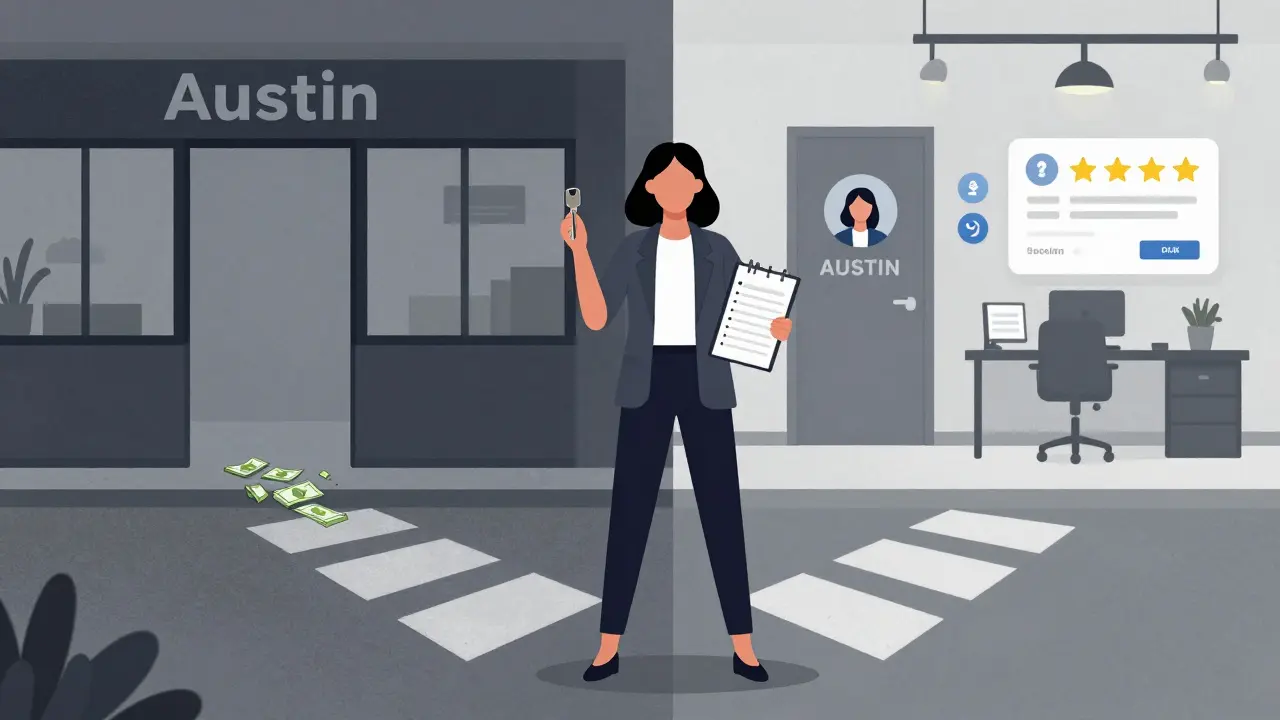
One woman in Austin started as a model and transitioned into escorting after realizing she could earn more in one night than she did in two weeks at her retail job. She didn’t see it as a fallback. She saw it as a leap. She now runs a boutique service for professionals who want discretion and emotional connection. She doesn’t advertise on sketchy sites. She uses encrypted messaging and pays for ads on niche platforms that screen clients rigorously.
Safety Isn’t an Afterthought-It’s the Foundation
People assume independent escorts are at high risk. The truth? Those who work smart are safer than most people think.Every reputable independent escort uses a checklist:
- Video call before any in-person meeting
- Client ID verification (driver’s license, passport)
- Third-party verification (friends or peer networks confirm client details)
- Location sharing with a trusted contact
- Never going to a client’s home unless they’ve met before
- Always carrying a panic button or discreet alarm app
There are also online communities-private Facebook groups, encrypted Discord servers, and peer-run forums-where escorts share warnings about dangerous clients. These networks are vital. One woman in Chicago credits her safety to a group of 200+ escorts who alert each other within minutes if someone shows up with a fake ID or tries to pressure them into something illegal.
Law enforcement doesn’t always protect sex workers. That’s why self-policing and peer accountability are the real safety nets. Independent escorts don’t wait for help-they create it.
Financial Independence and Long-Term Planning
Many independent escorts earn more than doctors, lawyers, or teachers. But they don’t get benefits. No health insurance. No retirement plan. No paid sick days. So they plan differently.Successful escorts save aggressively. They set aside 30% to 50% of income for taxes, emergencies, and future goals. Some invest in real estate. Others fund college degrees or start side businesses. One escort in Denver used her earnings to buy a small apartment. She rents it out now and works part-time-her passive income covers her rent, and she’s building equity.
They also use specialized accounting software designed for gig workers. Tools like QuickBooks Self-Employed or Wave help them track expenses: car maintenance, wardrobe, photography, website hosting, security apps, even therapy sessions. These aren’t luxuries-they’re business costs.
And they plan for the long haul. Many transition into coaching, content creation, or advocacy work as they age. Some teach workshops on digital safety for other sex workers. Others write books or podcasts about their experiences. Their careers don’t end at 30-they evolve.
Breaking the Stigma, One Story at a Time
The biggest barrier isn’t the law. It’s shame. Society tells women-and men, and nonbinary people-that this work makes them less worthy. But the reality? Many escorts are mothers, students, artists, and veterans. They’re not broken. They’re thriving.There’s a growing movement of escorts speaking out. Not to justify their work, but to normalize it. On TikTok, Instagram, and YouTube, escorts share day-in-the-life videos that show the behind-the-scenes: the contracts they sign, the safety apps they use, the way they negotiate boundaries. These aren’t titillating clips. They’re educational.
One viral video from a trans escort in Seattle showed her walking through her routine: checking a client’s references, reviewing her contract, doing a self-check-in before the appointment, and logging the session afterward. It got over 2 million views. Comments poured in-not just from other escorts, but from people who said, “I never thought this could be a real job.”
Changing perceptions takes time. But when people see the professionalism, the planning, the discipline-it becomes harder to call it “dirty” or “degrading.” It’s work. Hard work. Skilled work. And it deserves respect.

Why This Isn’t Just a Job-It’s a Movement
The rise of independent escorting is part of a larger shift: people taking control of their labor in a gig economy that’s stacked against them. They’re rejecting exploitative systems and building alternatives.Organizations like the Sex Workers Outreach Project (SWOP) and the Global Network of Sex Work Projects (NSWP) have long fought for decriminalization. But real change is happening on the ground, too. Independent escorts are proving that sex work can be safe, ethical, and profitable-if you’re allowed to run your own business.
This isn’t about romance or rebellion. It’s about autonomy. It’s about saying, “I know what I’m doing, and I don’t need your permission to earn a living.”
What You’re Not Being Told
Most media stories about escorting focus on trafficking or danger. Those things happen-but they’re rare in the independent sector. The real story is quieter: a woman in Ohio who quit her corporate job to become an escort and now funds her daughter’s autism therapy. A man in Seattle who transitioned from construction work to escorting after an injury and now mentors new workers. A nonbinary person in Portland who built a six-figure business and pays for their gender-affirming care out of pocket.These aren’t outliers. They’re the norm.
The empowerment comes not from the act itself, but from the control. The ability to say no. To set your own rules. To build something that lasts. That’s not just a job. That’s freedom.
Is being an independent escort legal?
Laws vary by state and city. In most places in the U.S., selling sexual services is illegal, but buying them isn’t always enforced the same way. Many independent escorts operate in legal gray areas by offering companionship, dinner dates, or massage services without explicit sexual acts. Some states, like Rhode Island, decriminalized indoor sex work temporarily (2009-2017), and studies showed a drop in violent crime during that time. While full decriminalization hasn’t happened nationwide, many escorts use legal loopholes and focus on services that fall outside strict definitions of prostitution.
How do independent escorts find clients safely?
Most use private platforms like OnlyFans, Patreon, or dedicated escort directories that require identity verification. Many avoid public classifieds like Craigslist, which are riddled with scams and law enforcement traps. They rely on word-of-mouth referrals, encrypted messaging apps like Signal, and client screening tools that check names against databases of known abusers. Some hire private investigators to verify client backgrounds before meetings.
Do independent escorts have health insurance?
Most don’t get employer-sponsored insurance. Many buy individual plans through the Affordable Care Act marketplace. Others use health-sharing ministries or pay out-of-pocket for regular STI testing-which many do every two weeks. Some clinics offer free or low-cost testing specifically for sex workers. A growing number invest in telehealth services for mental health, since the work can be emotionally taxing even when it’s safe.
Can you make a long-term career out of being an independent escort?
Absolutely. Many transition into coaching, writing, advocacy, or digital content creation as they age. Some open safe houses or training programs for new workers. Others use their earnings to buy property or start businesses in unrelated fields. One former escort in Oregon now runs a successful wellness retreat center. Another became a licensed therapist specializing in trauma recovery for sex workers. The career doesn’t have to end-it can transform.
What are the biggest risks for independent escorts?
The biggest risks aren’t physical-they’re financial and legal. Bank accounts can be frozen under “money laundering” suspicions. Websites can be shut down without warning. Clients can lie, threaten, or report them to police. That’s why many keep separate finances, use cash apps like Cash App or Venmo under aliases, and avoid digital trails. Physical danger is rare among those who follow strict safety protocols. The real threat is societal judgment, which can lead to job loss, housing discrimination, or family estrangement.
What Comes Next?
If you’re considering this path, start by learning. Read books like *The Business of Sex Work* by Dr. Emma J. Williams or *Whores and Other Feminists* by Jill Nagle. Join online communities. Talk to experienced workers. Don’t rush into it. Build your boundaries first, then your business.If you’re not considering it-ask yourself why you care so much. Is it fear? Judgment? Or just ignorance? The people doing this work aren’t asking for your approval. They’re asking for your respect.