
Every day, thousands of Latina women navigate a world that rarely sees them as full human beings-except when they’re being exploited, sensationalized, or erased. But beneath the stigma and stereotypes lies a quiet, powerful truth: many Latina escorts are not victims. They’re decision-makers. They’re entrepreneurs. They’re reclaiming control over their bodies, their time, and their income in a system that was never built for them.
Why Latina Women Choose This Path
There’s no single reason why a Latina woman becomes an escort. But if you listen closely to the stories, patterns emerge. Many are single mothers working two jobs just to keep the lights on. Others are students paying for tuition without taking on crushing debt. Some are immigrants who can’t get licensed in their field because their credentials don’t transfer. A woman from Guadalajara with a degree in nursing might end up doing escort work because she can make $300 an hour instead of $15 an hour at a clinic that won’t hire her without U.S. certification.
It’s not about desperation. It’s about strategy. A 2023 study by the Global Network of Sex Work Projects found that 68% of Latina sex workers in the U.S. reported choosing this work because it offered more flexibility, higher pay, and fewer barriers than traditional employment. That’s not a coincidence. It’s a response to real economic exclusion.
The Myth of Exploitation
Too often, the narrative around Latina escorts is shaped by outsiders-activists, journalists, law enforcement-who assume every woman in this line of work is trapped. But ask the women themselves, and you’ll hear something different.
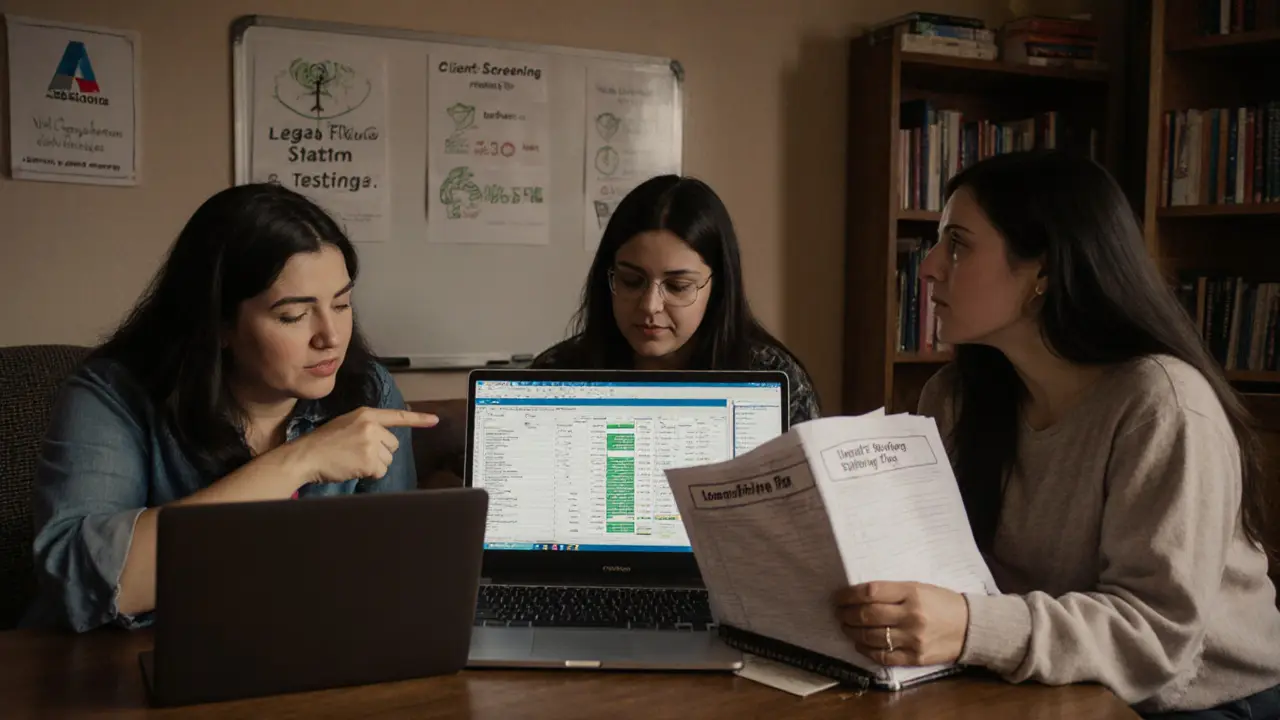
“I’m not being saved,” says Rosa, 34, from San Antonio. “I’m being paid. And I’m not asking anyone for permission to do it.” She runs her own booking system, screens clients with a checklist, and refuses to work with anyone who doesn’t respect her boundaries. She’s been doing this for five years. She saved enough to buy a used car. She pays her sister’s rent. She’s planning to open a small beauty salon.
The idea that all sex work is trafficking ignores agency. It also ignores the fact that many women in this industry have more control than they would in minimum wage jobs. They set their own hours. They choose their clients. They decide when to stop. And they’re often more financially literate than their peers in other service industries because they have to manage cash flow, taxes, and savings without employer support.
How Technology Changed Everything
Before smartphones and secure messaging apps, sex work was dangerous. It meant walking the streets, dealing with pimps, and risking arrest. Now, most Latina escorts operate independently through encrypted platforms, private websites, and discreet social media profiles.
Platforms like OnlyFans, JustForFans, and private booking sites have given women direct access to clients without intermediaries. No more splitting earnings 50/50 with a manager. No more being forced to work when sick. No more being threatened for refusing a client.
Technology didn’t create this industry-but it did transform it. Today, a Latina woman in Miami can build a brand, post content, and earn $5,000 a month without ever stepping into a car with a stranger. She can use her own photos, write her own descriptions, and set her own rates. She’s not selling her body. She’s selling her time, her presence, and her emotional labor.
The Hidden Costs of Stigma
Being a Latina escort doesn’t just mean dealing with clients. It means dealing with society.
Many women live double lives. They tell their families they’re a freelance graphic designer. They lie to their children’s teachers. They avoid doctors because they’re afraid their work will be reported. They skip bank loans because their income isn’t “stable” enough. They get kicked out of apartments when landlords find out.
And then there’s the legal risk. In most U.S. states, selling sex is illegal-even if no third party is involved. That means a woman can be arrested for sending a text message. Her phone can be seized. Her savings can be frozen. She can lose custody of her kids.
Despite this, the number of Latina women entering this work has grown by 37% since 2020, according to data from the Urban Justice Center. Why? Because the alternatives are worse.
What Real Empowerment Looks Like
Empowerment isn’t a slogan. It’s a spreadsheet. It’s a bank account. It’s a quiet moment at 2 a.m. when a woman pays her daughter’s school fee and doesn’t have to beg for help.
Some Latina escorts have formed collectives-small, private networks that share safety tips, legal advice, and mental health resources. In Los Angeles, a group called Latina Autonomy Network offers free workshops on financial literacy, digital security, and navigating the court system. They don’t ask for donations. They don’t beg for attention. They just show up for each other.
One member, Marisol, used to work alone. Now she trains new women on how to screen clients using AI-powered tools that flag known predators. She teaches them how to document interactions legally. She helps them file taxes as independent contractors. She doesn’t call it activism. She calls it survival.

The Bigger Picture
This isn’t just about sex work. It’s about gender, race, immigration, and economic justice. Latina women are disproportionately pushed into low-wage, unstable jobs. They’re paid less than white women for the same work. They’re denied healthcare. They’re criminalized for trying to survive.
When a Latina escort makes $200 an hour, she’s not breaking a moral code. She’s fixing a broken system. She’s saying: I know what my labor is worth. And I’m not waiting for someone else to give me permission to be paid fairly.
The real question isn’t why women become escorts. It’s why society makes so few other options viable.
What Needs to Change
Legalization isn’t just about decriminalizing sex work. It’s about recognizing that labor is labor-no matter who’s doing it or how it’s done.
Here’s what would make a real difference:
- Decriminalize all forms of consensual adult sex work
- Allow sex workers to open bank accounts without suspicion
- Provide access to healthcare, housing, and legal aid without requiring disclosure of work
- Protect sex workers from discrimination in housing and employment
- Fund peer-led organizations run by current and former sex workers
These aren’t radical ideas. They’re basic human rights. And they’re already happening in places like New Zealand and parts of Canada, where decriminalization led to a 70% drop in violence against sex workers and a 50% increase in reporting crimes to police.
Latina escorts aren’t asking for charity. They’re asking for dignity. For the right to be seen as people-not problems.
Are all Latina escorts victims of trafficking?
No. While trafficking does exist, it’s not the same as consensual sex work. Studies from the Global Network of Sex Work Projects show that the vast majority of Latina women in this industry are independent, make their own choices, and report high levels of control over their work. Equating all sex work with trafficking ignores agency and harms real victims by blurring the lines between coercion and consent.
Is being an escort dangerous?
It can be-but so can many other jobs. The biggest dangers come from criminalization, not the work itself. When sex work is illegal, women can’t screen clients safely, can’t call police if something goes wrong, and can’t access basic protections. Decriminalization has been shown to reduce violence by up to 70% in countries that have adopted it. Safety comes from legal rights, not moral judgment.
Do Latina escorts have access to healthcare?
Most don’t-not because they can’t afford it, but because they’re afraid to ask. Many avoid doctors because they fear their work will be reported to immigration or child services. Peer-led organizations are filling this gap by offering free STI testing, mental health counseling, and referrals to trusted providers who won’t judge them. Access to healthcare is a human right, not a privilege tied to your job title.
Can Latina escorts save money and build a future?
Yes. Many do. Some save for college, start businesses, buy homes, or support family members abroad. One woman in Chicago used her earnings to pay for her daughter’s engineering degree. Another in Miami opened a small catering business. Financial stability isn’t guaranteed-but it’s possible, and it’s happening every day, even without bank loans or employer benefits.
Why don’t these women just get regular jobs?
Many tried. Some were denied jobs because of their immigration status. Others were paid so little they couldn’t cover childcare. A nurse from Honduras with 12 years of experience was offered $14/hour at a nursing home while her escort clients paid her $250/hour. The issue isn’t motivation-it’s opportunity. When the system doesn’t offer fair pay, safe conditions, or respect, people find alternatives.