
Power exchange sounds simple: one person leads, one follows. In paid kink, it isn’t simple at all. Money adds pressure. Fantasy blurs lines. Consent has to work even harder. If you’ve ever wondered how domination with an escort actually functions-beyond the glossy surface-this guide maps the real terrain: the power dynamics, the legal and ethical edges in the UK, and the emotional fallout few talk about. I live in Bristol and write about this space because I’ve seen how quietly things can go wrong when people rely on vibes instead of structure.
TL;DR:
- Real control in domination escort relationships flows from clear consent and boundaries, not money or mystique.
- In the UK, selling sex is legal, but many related activities are not (e.g., brothels, certain ads). Know what’s lawful before you engage.
- Negotiate specifics (limits, safe words, aftercare, privacy) before any fantasy talk. Put it in writing if stakes are high.
- Attachment happens. Build emotional guardrails: session-only intimacy, decompression time, and a plan if feelings shift.
- Red flags: rushing payment and consent, boundary wobble, secrecy pressure, and any “no safe word” bravado.
What these relationships really are-and aren’t
People picture leather, commands, and a clean surrender. In practice, paid power exchange is a careful choreography that protects both the client and the professional. It’s performance with real emotions in the room, like stage fighting: convincing on the outside, safety lines everywhere on the inside.
Here’s the first curveball: Domination isn’t always about cruelty. It’s about agreed power. Sometimes that’s stern and intense. Sometimes it’s playful ritual. The professional sets the container; the client steps into it. Money buys time, skill, and the curated frame-not unconditional power over a person.
In the UK, the legal reality is plain but easy to misread. Selling sex is legal in England and Wales. Operating a brothel, controlling another person’s sex work for gain, kerb-crawling, and some forms of advertising remain illegal (Sexual Offences Act 2003; Policing and Crime Act 2009). Scotland and Northern Ireland differ on some points. Translation: meet in lawful contexts, don’t organize third-party venues, and don’t assume “everyone does it this way” will protect you. Laws are enforced.
Consent is the backbone, not a box to tick once. In the kink world you’ll hear SSC (Safe, Sane, Consensual) and RACK (Risk-Aware Consensual Kink). Both point to the same habit: disclose risks, agree on limits, and keep consent live and reversible. If you can’t pause or negotiate-there is no power exchange, only risk.
“Sexual health is a state of physical, emotional, mental and social well-being in relation to sexuality; it is not merely the absence of disease, dysfunction or infirmity.” - World Health Organization, Working Definition of Sexual Health
That definition matters here. Dominant play nudges strong emotions-shame, pride, release. A session can feel like a storm that cleans the air. That’s not therapy, and escorts aren’t your therapists. But the emotional impact is real and should be handled with care.
Common myths worth dropping:
- “The Dom/me is always in control.” Actually, the scene belongs to the agreement. The pro steers the fantasy but follows the consent map you drew together.
- “Money buys anything.” No. It buys an offer. A professional can decline activities for any reason.
- “A great session means instant trust.” Trust is earned across repeated, consistent boundary-keeping. One magic session proves chemistry, not character.
- “No marks means no risk.” Impact play, humiliation, or power roleplay can trigger old wounds. Invisible doesn’t mean harmless.
If you remember one thing: power is staged, consent is real. Mix those up and you lose the safety net.

How to negotiate and run a safe session (step-by-step)
Think of this like trip planning. You don’t just book a flight; you check the weather, pack right, and tell someone where you’re going. Same here: prep creates freedom.
-
Clarify intent (before any booking)
Ask yourself: What outcome do I want-release, accountability, sensation, ritual? Write three non-negotiables and three hard nos. If you can’t name them, you’re not ready. -
Discuss specifics, not vibes
Good professionals welcome detail. Say what body parts are off-limits, what language is okay, any health issues (injuries, meds, PTSD), and what safe word you prefer. Agree on safe word and a “yellow” caution word. Decide on silence protocols if gags are in play (hand signals, item drop). -
Map the activities and risks
List the planned activities (bondage, impact, psychological play, foot worship, roleplay). For each, cover: intensity scale (1-10), time limit, and stop conditions. If edge play is on the table, double-check consent and experience. No “surprises” beyond what you both explicitly consent to. -
Agree on logistics and boundaries around money
Confirm duration, location (lawful, safe, private), screening requirements, deposit and cancellation terms, lateness policy, and what the fee covers (and doesn’t). Keep payment separate from consent. Consent stays voluntary even after a deposit; activities can be reduced or halted. -
Privacy, discretion, and data
Decide what info you share (ID, references) and how it’s stored. Align on device rules: no photos, or if photos, what angles and where they’ll live. In the UK, the Data Protection Act applies to businesses handling personal data. Ask how your data is protected. -
Health and safety check
STI risk in many BDSM activities is lower than penetrative sex but not zero (skin breaks, shared toys). Use barriers for toy play, gloves for bodily contact, and disinfectants between uses. Know medication or heart issues that make heavy impact risky. Keep hydration, sugar, and a first-aid kit nearby. -
Run the pre-scene talk
Five minutes face-to-face can prevent problems. Re-state hard limits, safe words, expected intensity, and aftercare plan. Confirm the “no means no, yellow means slow” rule. Professionals should invite last-minute updates. -
During the scene: read and respond
Check-ins don’t break the spell when done well. A brush on the shoulder, a whispered “color?” can keep the energy tight and safe. If anything feels off-say it. A skilled Dom/me can reframe or pivot without blame. -
Aftercare, then decompression
Bodies crash after adrenaline. Use blankets, water, a snack, gentler tone, and a simple ritual like removing cuffs together. Agree on a follow-up message the next day-short, factual: how you slept, any bruising, any emotional spikes. -
Debrief: what to keep, what to change
Share two things that worked and one adjustment for next time. Keep it concrete: “The cane at 5/10 was hot; the verbal edge about ‘failure’ hit too hard. Next time, more praise.” Write it down. That log becomes your safety net.
Quick pre-session checklist:
- Three goals, three hard nos, safe word chosen
- Activities list with intensity caps and stop conditions
- Health disclosures shared; first-aid and hydration ready
- Location lawful and safe; privacy boundaries set
- Payment terms clear; consent kept separate from fee
Red flags that mean pause or walk away:
- “No safe word” bravado or mockery of limits
- Pressure to switch locations last minute to avoid screening
- Shaming for asking questions about safety or legality
- Refusal to define what the fee covers
- Promises that sound like forever-access or unpaid emotional labor
Aftercare kit (small but mighty):
- Soft blanket or hoodie; water or electrolyte drink
- Simple carbs (chocolate, oat bar) for adrenaline drop
- Antiseptic wipes, plasters, arnica gel if bruises are an issue
- Grounding cue you both know (breath count, hand squeeze)
A health note for 2025: British Association for Sexual Health and HIV (BASHH) guidance still recommends barrier methods for any fluid-contact toys and proper disinfection between partners. NHS clinics can advise on risk by activity, not just by label. If you’re unsure, ask a clinician. No judgment, just facts.
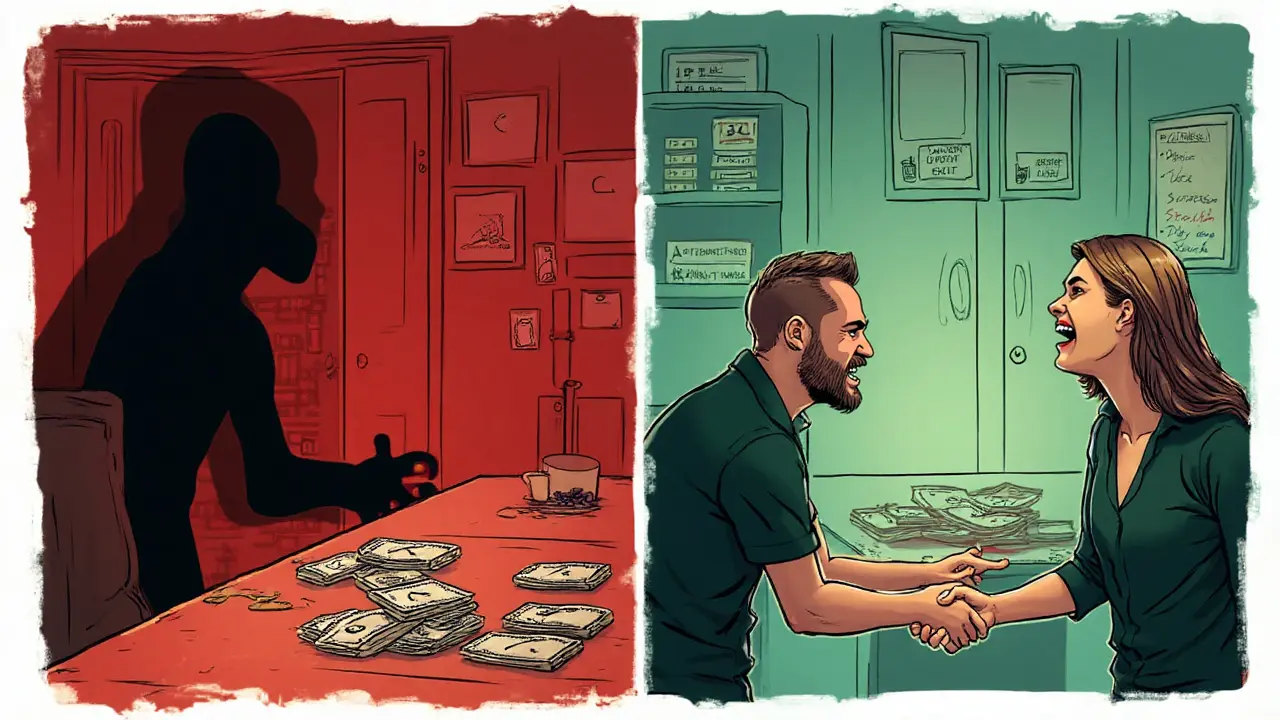
The emotional, ethical, and long-game complexities
Everyone talks technique. Fewer people talk attachment. Power play amplifies feeling, and paid intimacy complicates it. That isn’t a failure; it’s human. The trick is to design a relationship that protects both the fantasy and the real people behind it.
Double relationship problem: In-session, you might feel owned, helpless, adored, punished. Out of session, you’re two adults negotiating a service. Those tracks must never cross without explicit agreement. A pro’s kindness is part of the craft. A client’s gratitude is part of the experience. Neither equals romantic consent.
Set guardrails before it gets messy:
- Text boundaries: business hours, response windows, no “therapy by DM.”
- Session container: intensity resets each booking; no “ongoing punishment” between sessions unless contracted and safe.
- Compliments: keep them specific to the work, not the person’s private life.
- Gifts: agree what’s appropriate; expensive surprises create pressure.
Attachment and fantasy bleed:
- If you notice you’re chasing scenes to fix mood or loneliness, take a pause. Book less intensity, try different activities, or seek a therapist who understands kink.
- If you’re a provider and dread certain clients or feel guilty saying no, that’s a signal to recalibrate your menu, screening, or offboarding script.
- If you’re in a primary relationship, make a written agreement with your partner about what’s allowed, what’s disclosed, and how to handle feelings that come up. Keeping secrets corrodes trust faster than any fetish.
Ethics and fairness:
- Economic power can skew the room. Clients: don’t use money to test boundaries. Providers: don’t use access to test devotion. Both: keep receipts-figurative and literal-clean.
- Confidentiality is currency. Don’t share specifics without permission, even as “funny stories.”
- Race, gender, disability, and class show up in play dynamics. If a scene dynamic mirrors an oppression you live with, name that and set firmer guardrails-or choose different scripts.
Decision aid: is this relationship healthy right now?
- Can both of you say no without backlash?
- Do scenes end with aftercare and a brief debrief-consistently?
- Are boundaries respected when it costs something (time, money, ego)?
- Does each person leave with the same or more dignity than they arrived?
- If an outsider read your last text thread, would it look consensual and professional?
If you answer no to any, shrink the scene or pause entirely until you can fix the weakest link. If you can’t fix it, end it. Ending well is a skill. A clean goodbye protects both your reputations.
UK-specific note on legality and venues as of 2025: Street solicitation is illegal; brothel-keeping is illegal (two or more people selling sex from the same premises). Private, consensual sessions arranged lawfully are not criminal. Don’t improvise venues. Don’t crowdsource safety with strangers. When in doubt, read Crown Prosecution Service guidance or speak to a solicitor.
Last thought on identity: Being a submissive doesn’t mean you’re weak. Being a professional Dominant doesn’t mean you’re invulnerable. You both wield responsibility. That’s the real power exchange.
Mini-FAQ
- Is this legal in the UK? Selling sex isn’t illegal in England and Wales, but many connected activities are. Keep arrangements private, consensual, and within the law. Scotland and Northern Ireland have differences; check local law.
- Are escorts therapists? No. Some have trauma-aware training, but they’re not mental health clinicians. If scenes surface old wounds, pair your play with therapy.
- How risky is BDSM for STIs? Lower for non-penetrative play, but still possible with skin breaks or shared toys. Use barriers, gloves, and disinfectants. Ask NHS clinics for activity-specific advice.
- Can a professional and a client date? It happens, but it’s fraught. If you consider it, stop sessions, wait, and rebuild boundaries in a normal dating context. Neither side should feel cornered financially or emotionally.
- How do I vet a professional Dom/me? Look for clear boundaries online, a coherent screening process, references or a traceable work history, safety language in their materials, and consistency over time. Avoid anyone who shames you for asking safety questions.
- Can a scene include humiliation without harm? Yes, but only with tight limits and a debrief. Separate “character” insults from real-life vulnerabilities. Agree on taboo words that are off-limits.
Next steps / Troubleshooting
- If you’re new to this as a client: Start light. Choose one or two activities, cap intensity at 4/10, and focus on building the consent ritual. Keep a session journal for three sessions before increasing stakes.
- If you’re a provider feeling burned out: Trim your menu to what energizes you, lengthen buffers between bookings, and script stock phrases for no. Build a referral network so “not for me” doesn’t equal “not for you.”
- If you caught feelings: Take a two-week pause. Write what you want from the person versus the role. If you still want to pursue it, propose a boundary change in writing. If the other party declines, let that be the last word.
- If a boundary was crossed: Document facts immediately, including time, place, words said. Decide what repair would look like (apology, refund, retraining, or termination). If you don’t feel safe, stop future contact and seek advice from trusted peers or legal counsel.
- If your primary partner is uneasy: Share your negotiation script and aftercare plan. Invite them to add one boundary. Agree on check-in times post-session. Transparency calms the nervous system.
Practical heuristics to keep in your pocket:
- The 3C Rule: Clarity before chemistry, Consent before costume, Check-ins before climax.
- The 24-Hour Lag: No major decisions (new commitments, new activities) until a full sleep after a strong scene.
- The Yellow Test: If you think “maybe I should safe word,” you already should.
- The Receipt Mindset: If this was audited by a fair stranger, would it read as consensual, lawful, and kind?
I’m writing from Bristol, but the advice travels. The aim isn’t to sterilize kink; it’s to hold it safely so the charge stays electric without burning anyone. When the scaffolding is strong, the play can go deep. That’s the secret the glossy ads never tell you.