When you think of fashion, you might picture runway shows, celebrity red carpets, or high-end boutiques. But behind closed doors, in cities from London to Los Angeles, there’s another group of women who know exactly how to turn style into strategy: call girls. Not because they’re chasing trends, but because their work demands it. Appearance isn’t just about looking good-it’s about building trust, signaling status, and controlling perception. The clothes they wear aren’t accessories. They’re tools.
What They Wear-and Why
There’s no single uniform, but there are patterns. A woman who meets clients in luxury hotels doesn’t dress like someone who works from an apartment in a quieter neighborhood. The difference isn’t just location-it’s psychology. Clients pay for an experience, and clothing is the first thing that sets the tone.
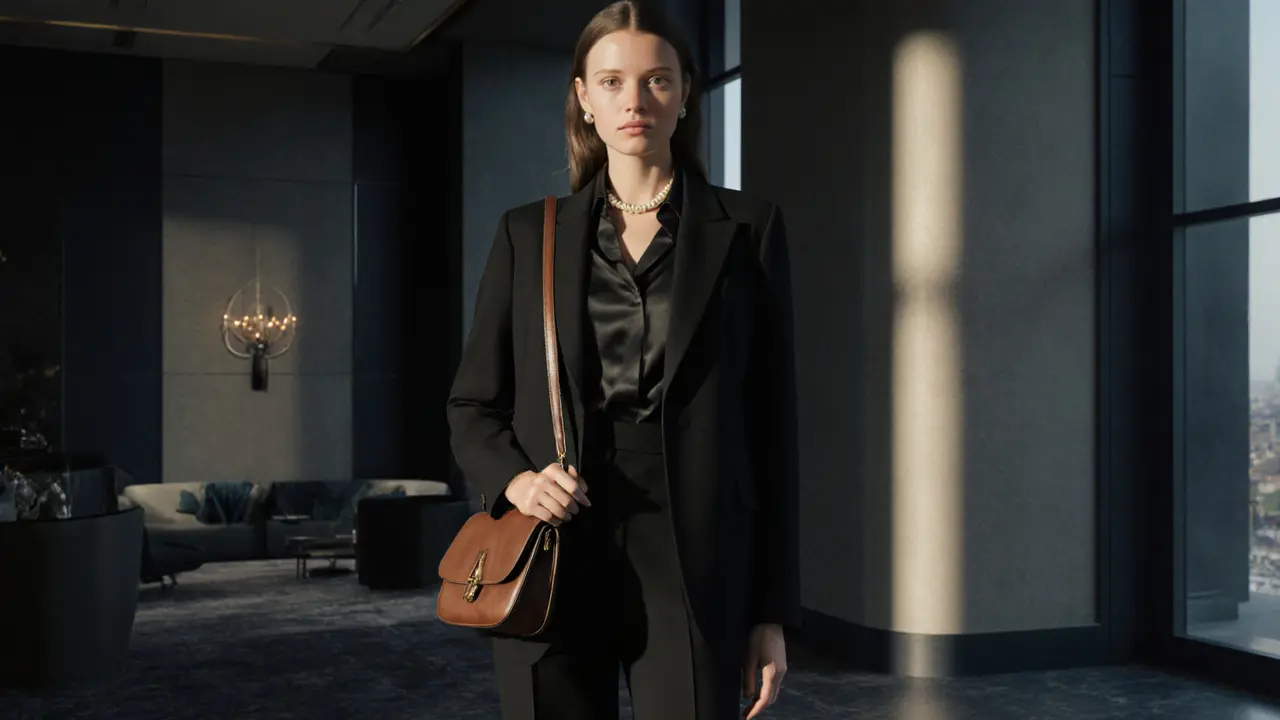
Think about it: if you’re paying £300 an hour, you don’t want to feel like you’re meeting someone who just rolled out of bed. You want to feel like you’ve stepped into a different world. That’s why tailored blazers, silk blouses, and well-fitted trousers are common. Not because they’re trendy, but because they say control. They say professionalism. They say, "I’m here to make you feel powerful, not just aroused."
Footwear matters too. High heels? Yes-but not the kind that make you wobble. Chunky heels, low block heels, or even stylish flats are preferred. Why? Because mobility is part of the job. You might need to walk quickly through a hotel lobby, stand for an hour, or adjust your posture during a meeting. Comfort isn’t optional-it’s survival.
Color Psychology in the Industry
Black isn’t just elegant. It’s neutral. It doesn’t distract. It doesn’t scream. It doesn’t date. That’s why so many women in this line of work wear black. But it’s not the only color. Deep burgundy, navy, charcoal, and muted olive are also popular. These shades don’t attract attention for the wrong reasons. They don’t clash with hotel lighting or look cheap under LED bulbs. They look expensive without trying too hard.
Red? Used sparingly. A red lip, a red scarf, a red heel-yes. But a full red outfit? Rare. Why? Because red is loud. It’s emotional. It can trigger the wrong kind of reaction. Clients want to feel in control, not overwhelmed. A subtle pop of color says confidence. A full red dress says desperation.
Neutrals are the secret weapon. They make the woman the focal point-not the outfit. And that’s the goal: to be memorable for your presence, not your clothes.
Accessories That Speak Louder Than Words
Jewelry isn’t about showing off. It’s about signaling. A simple gold necklace? Classic. A pair of pearl studs? Timeless. A vintage watch? Implies stability. These aren’t random choices. They’re calibrated signals.
Big logos? Avoided. A Louis Vuitton bag might look flashy, but it also makes you look like you’re trying too hard. Real clients-especially those who can afford high-end services-don’t care about logos. They care about quality. A well-made leather bag, even if it’s unlabeled, says more than a logoed one ever could.
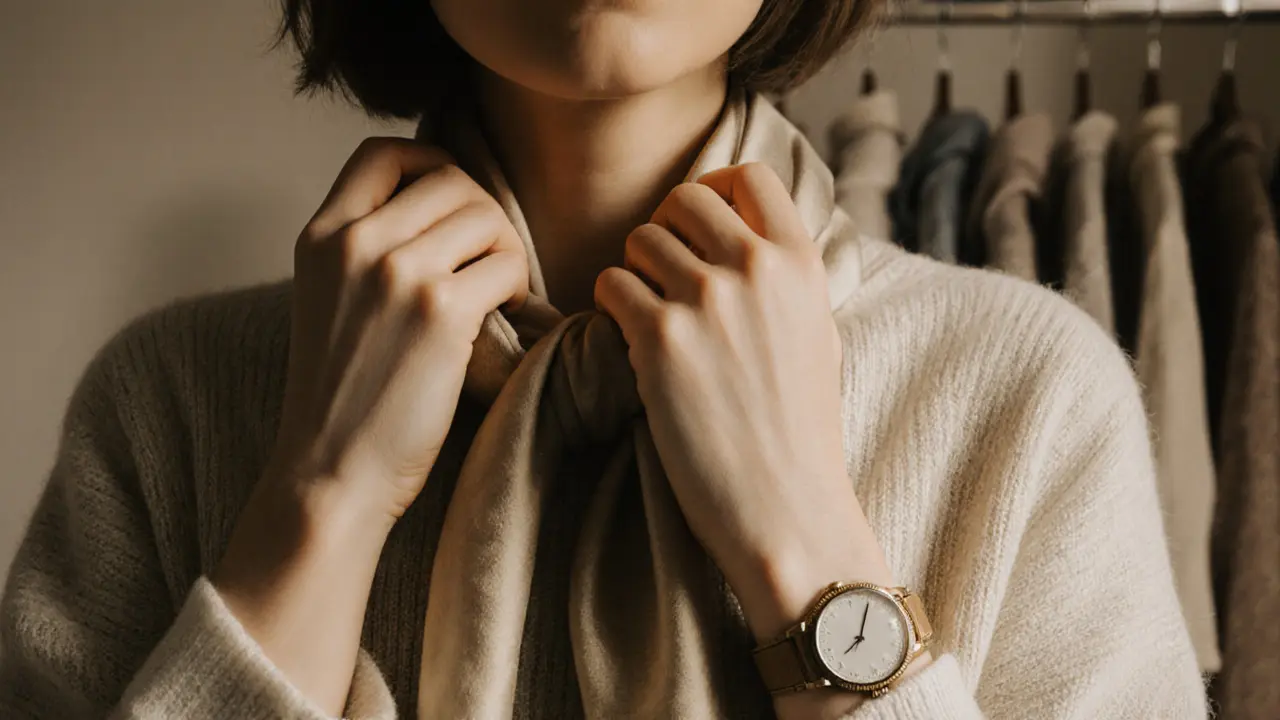
Scarves? A favorite. They add texture, warmth, and a touch of mystery. A silk scarf tied loosely around the neck can transform a basic outfit into something elegant. And if you need to leave quickly? It’s easy to grab and go.
Handbags? Small and structured. Not a tote. Not a backpack. Something that looks expensive but doesn’t bulge. It holds a phone, lipstick, a small bottle of perfume, maybe a spare pair of underwear. Everything you need. Nothing you don’t.
The Unwritten Rules of Fabric and Fit
There’s a reason you rarely see polyester or cheap synthetics. They wrinkle. They shine under light. They look cheap after an hour of sitting. Natural fibers-cotton, silk, wool, cashmere-are preferred. They breathe. They drape. They age gracefully.
Fabric isn’t just about comfort. It’s about perception. A wool-blend blazer that fits perfectly doesn’t just look expensive. It feels expensive. And that feeling transfers to the client. They don’t just see you-they sense you.
Fitting is everything. Clothes that are too tight scream insecurity. Clothes that are too loose look careless. The sweet spot? Tailored but not constricting. Slightly longer sleeves. Slightly higher waistlines. Slightly more structure. These aren’t fashion trends. They’re survival tactics.
One woman in Manchester told me she spends £200 a month just on alterations. Not on new clothes-on fixing what she already owns. A hem taken up. A shoulder adjusted. A waist nipped in. That’s the real secret: style isn’t bought. It’s refined.
Seasonal Shifts and Regional Differences
What works in London doesn’t always work in Brighton. In cities with more tourist traffic, clients expect a certain "global" look-think Parisian chic, New York minimalism. In smaller towns, clients often prefer a softer, more approachable aesthetic. Think cozy knits, muted tones, and natural makeup.
Seasons matter too. Winter means layering. A long coat, a turtleneck under a blazer, cashmere gloves. Summer means lightweight fabrics-linen, chiffon, breathable cotton. But even in summer, nothing too revealing. Bare shoulders? Fine. Bare midriff? Risky. The line between alluring and amateur is thin, and it’s drawn by the client’s expectations, not fashion magazines.
One woman in Bristol told me she changes her entire wardrobe twice a year. Not because she’s bored. Because she’s smart. She knows that a client who sees her in a summer dress in December will wonder why she’s still wearing it. Consistency builds trust. Inconsistency builds suspicion.
What They Avoid
Here’s what you won’t see: slogans on shirts. Loud prints. Flashy nail polish. Overly trendy items like cargo pants or bucket hats. These things scream "I’m trying too hard" or "I’m not in control."
And makeup? Never heavy. Foundation? Light. Blush? Natural. Lipstick? Matte, not glossy. Glossy lips look like you’re about to kiss someone. Matte lips say you’re confident enough not to need that kind of attention.
Perfume? A single spritz. Too much smells desperate. Too little smells unprepared. The right scent is faint, warm, and unforgettable-not overpowering. Think sandalwood, vanilla, or a hint of amber. Not fruity or floral.
Real Stories, Real Wardrobes
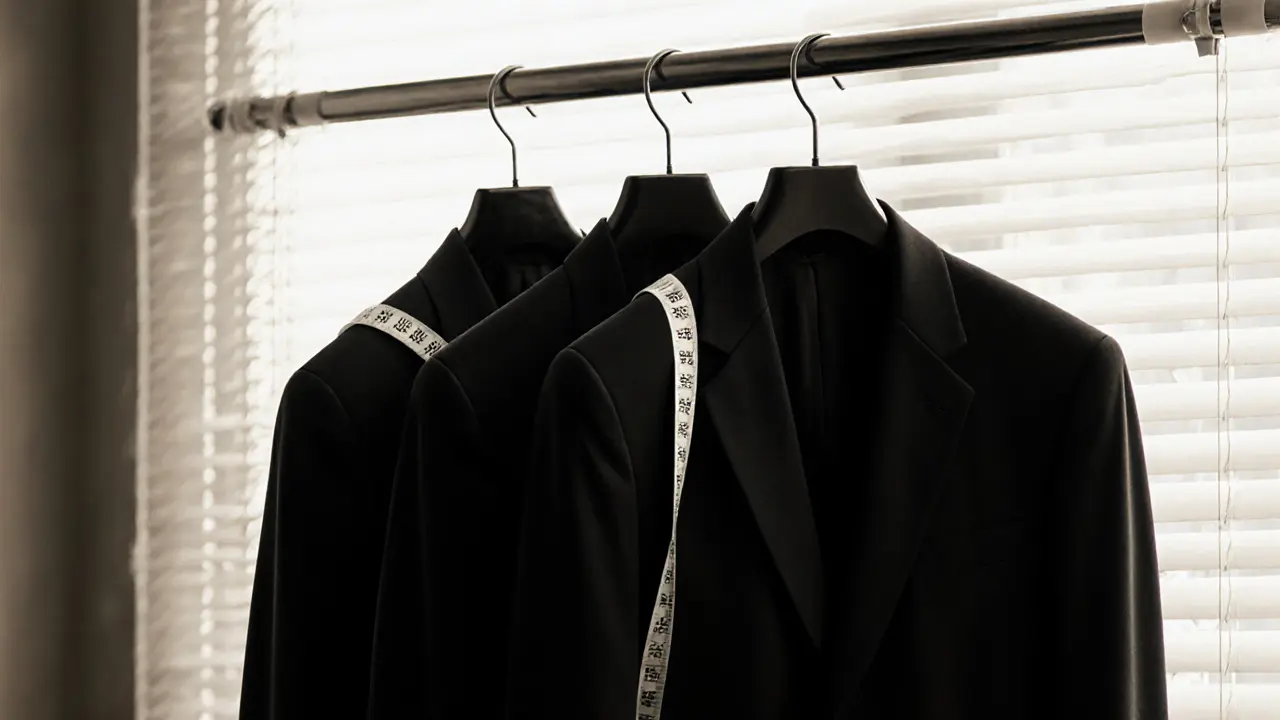
One woman, who works in Edinburgh under a pseudonym, told me she bought her entire professional wardrobe secondhand. Not because she couldn’t afford new things-but because she didn’t want to be tracked. She found a tailor who could fix everything. She bought three identical black blazers. One for work. One for laundry. One as backup. She doesn’t wear the same outfit twice in a month. Not because she’s extravagant-but because she knows clients remember details.
Another woman in Birmingham keeps a small closet in her apartment with 12 outfits. All neutral. All tailored. All in perfect condition. She washes them herself. She hangs them on padded hangers. She rotates them weekly. She doesn’t care about fashion weeks. She cares about consistency.
Why This Matters Beyond the Industry
These aren’t just "escort style tips." They’re lessons in personal branding. If you’ve ever walked into a job interview, a first date, or a networking event and wondered why you didn’t feel in control-this is why. It’s not about looking like a model. It’s about looking like someone who knows what they’re doing.
The women in this industry don’t follow trends. They create impressions. They don’t chase beauty standards. They engineer confidence. And if you want to feel more powerful in your own life-whether you’re a lawyer, a teacher, or a freelancer-you can borrow from their playbook.
Wear clothes that fit. Choose colors that calm. Avoid noise. Let your presence speak louder than your labels. That’s not fashion. That’s strategy.
Do call girls wear designer clothes?
Some do, but most avoid obvious logos. They prefer quality over branding. A well-tailored, unlabeled wool coat from a small boutique says more than a bag with a giant logo. Clients who pay high rates notice the difference in fabric, fit, and finish-not the label.
Is there a dress code for call girls?
There’s no official dress code, but there’s a strong unwritten one: neutral tones, tailored fits, natural fabrics, minimal accessories. The goal isn’t to attract attention-it’s to make the client feel comfortable and in control. What’s considered appropriate varies by city and client type, but the principles stay the same.
Why do they avoid bright colors and patterns?
Bright colors and loud patterns can feel overwhelming or unprofessional in a private setting. Clients aren’t looking for a costume-they’re looking for calm, control, and elegance. Neutral tones create a sense of safety and sophistication. A single red lip or a subtle gold earring adds just enough personality without crossing the line.
Do they wear the same outfit twice?
Most avoid repeating outfits within a short time frame. Clients remember details. If someone sees you in the same black dress twice in two weeks, they might start asking questions. Many keep multiple versions of the same item-three identical blazers, two pairs of the same shoes-to rotate and maintain consistency without being recognizable.
Can regular women use these style tips?
Absolutely. The principles-tailored fit, neutral colors, quality fabrics, minimal accessories-are timeless and universal. Whether you’re going to a job interview, a first date, or a client meeting, dressing to project calm confidence always works. You don’t need to be in this industry to learn from how it works.