Most people don’t realize how much planning goes into staying private when you’re a call girl. It’s not just about picking a safe location or using a fake name. It’s a daily system of small, careful choices that add up to real protection in a world where digital footprints never fade. In Bristol, where social circles overlap and neighbors know everyone’s business, discretion isn’t optional-it’s survival.
Using Burner Phones and Encrypted Apps
One of the first rules? Never use your personal phone for client contact. A burner phone, bought with cash and registered under no name, is standard. These aren’t fancy gadgets-just basic Android or iPhone models with no cloud backup, no Google account, no synced contacts. Once a client’s number is saved, it goes into a separate app like Signal or Telegram, both end-to-end encrypted. No SMS. No iMessage. No traces left on the device.
Some professionals even use apps like Dust or Wickr, which auto-delete messages after reading. One escort in Manchester told me she deletes every chat within five minutes of ending a session. No logs. No screenshots. No history. If the phone is lost or seized, there’s nothing to connect her to a client.
False Identities and Clean Digital Trails
Your real name, address, and social media? Those stay locked away. Most use stage names-nothing too flashy, nothing that ties back to their past. One woman I spoke with uses a name that sounds like a common British first name, like “Emma” or “Lily,” but never matches her birth certificate. She doesn’t have a Facebook profile. No Instagram. No LinkedIn. If someone Google searches her name, they get nothing.
Even photos are handled carefully. Professional images are taken in controlled environments-studio lighting, neutral backgrounds, no visible landmarks. No tattoos visible. No jewelry that can be traced. These photos are stored on encrypted drives, never uploaded to cloud services. When she posts them on escort sites, she uses a virtual private server (VPS) hosted outside the UK, with no personal billing info attached.
Location Strategy: No Patterns, No Predictability
Staying private means never falling into routine. If you meet clients at the same hotel every Tuesday, someone will notice. The smartest professionals rotate locations: short-term rentals in different neighborhoods, private apartments rented by the hour, even cars parked in quiet industrial parks. One escort in Bristol uses Airbnb listings under a business name, never her own. She books with a credit card linked to a shell LLC, not her personal account.
She never stays more than two nights in one place. She avoids places near her home, her family’s neighborhood, or anywhere with security cameras she can’t control. If a client asks to meet at their place, she says no. Not because she doesn’t trust them-but because she doesn’t want to leave fingerprints on someone else’s doorframe, or have a neighbor remember her face.
Financial Separation: No Bank Links, No Paper Trails
Paying for services is one of the biggest risks. If you use your debit card to pay for a hotel, a taxi, or a meal before a meeting, that transaction can be traced. So most use prepaid cards loaded with cash. Some use cryptocurrency-Monero, specifically-because it’s untraceable. Bitcoin leaves a public ledger. Monero doesn’t.
Income is handled through offshore payment processors that don’t require ID verification. These services don’t show up as “escort services” on bank statements. They appear as “consulting fees,” “digital content,” or “freelance design.” One woman in Leeds told me her bank statement says “Graphic Design Services” every month. Her accountant doesn’t question it. Her partner doesn’t know.
Client Screening: Trust, But Verify
Not every client is safe. That’s why screening isn’t optional-it’s a ritual. Every new client is asked for a video call before any meeting. Not a photo. Not a voice note. A live, unedited 90-second video where they state their full name, date of birth, and current location. She records the call (with consent) and cross-checks the details with public records.
She also uses shared screening platforms like Escort Safety Network a community-driven platform where professionals share verified client information and red flags. It’s not public. You need an invitation. But if someone’s been flagged for aggressive behavior, stalking, or recording without consent, the name pops up. She’s turned down three clients in the last six months because of alerts on that network.
Legal Boundaries: Knowing the Line
In the UK, prostitution itself isn’t illegal-but soliciting, kerb crawling, and running a brothel are. That’s why most call girls operate as independent contractors, never in groups. They don’t share addresses. They don’t take referrals from other workers. They don’t advertise in public spaces. They use discreet websites with no phone numbers, no addresses, no real names.
They also avoid anything that looks like a business. No contracts. No invoices. No receipts. No written agreements. Everything is verbal. If a client asks for a receipt, they’re politely told, “I don’t do paperwork.” That’s not being rude-it’s legal protection.
Emotional Privacy: The Hidden Layer
Privacy isn’t just about phones and payments. It’s also about emotional distance. Many professionals keep their personal life completely separate. They don’t tell friends, family, or partners what they do. Some have fake jobs they tell people about-“I’m a freelance photographer,” or “I work in event planning.”
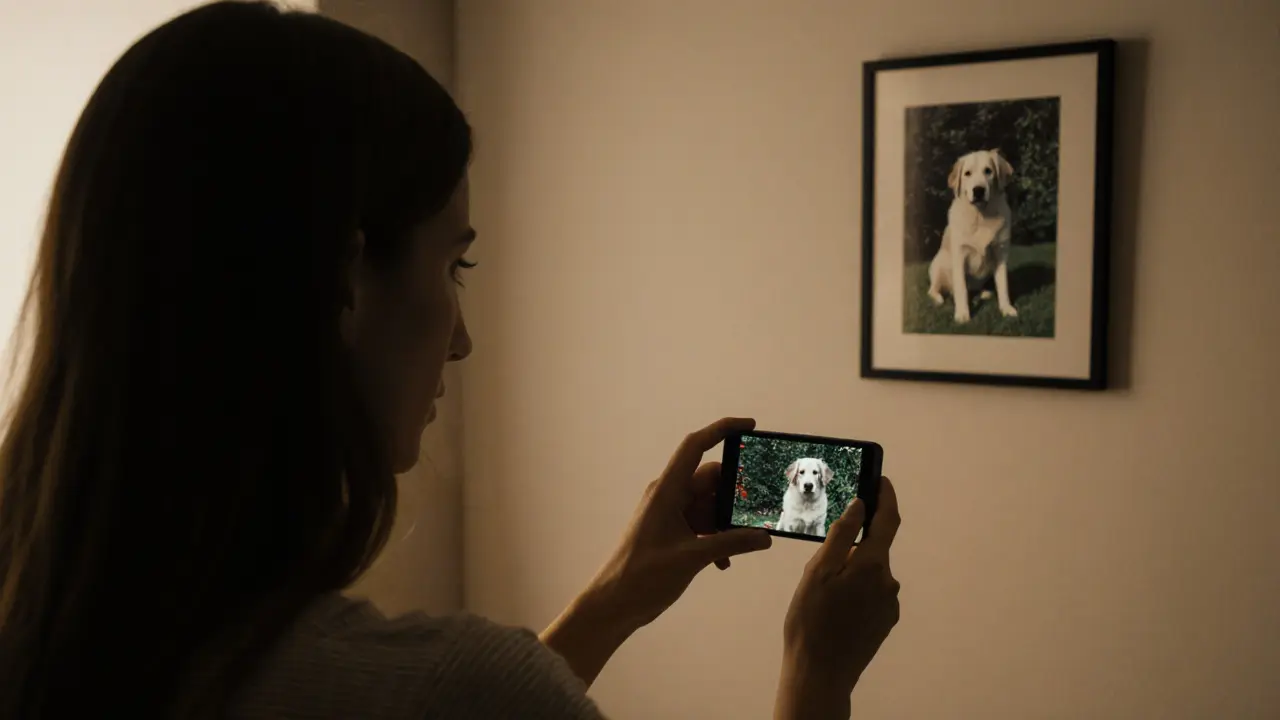
They don’t post about their day. No Instagram stories from hotel rooms. No TikTok clips about “a wild night.” They delete location tags from photos. They avoid tagging places. Even their hobbies-yoga, painting, hiking-are kept offline. One woman told me she only posts photos of her dog, and always from her garden. No background. No street signs. No way to trace where she lives.
What Happens When Something Goes Wrong?
Even the best systems fail sometimes. A phone gets stolen. A client threatens to expose you. A neighbor recognizes your face. When that happens, the first move is always the same: cut the connection. Block every number. Change your burner phone. Shut down the website. Temporarily stop working.
Some hire private investigators to track down who leaked information. Others go to legal aid groups like Sisters of the Night a UK-based support organization offering legal advice and crisis intervention for sex workers, which helps with restraining orders, identity protection, and safe housing.
But most don’t go public. They don’t file police reports unless they’re physically threatened. Why? Because the system isn’t built to protect them. Reporting a threat often means revealing your identity-and that’s the last thing anyone wants.
Why Discretion Isn’t Just Smart-It’s Necessary
People assume privacy is about hiding something shameful. It’s not. It’s about protecting your right to live without fear. For call girls, privacy isn’t a luxury. It’s the foundation. Without it, they lose their jobs, their safety, their families, even their freedom.
The system they’ve built-burner phones, encrypted apps, fake identities, cash payments, location rotation-isn’t perfect. But it’s the best they’ve got. And in a world that’s always watching, that’s enough to keep them alive.
Is it legal to be a call girl in the UK?
Selling sexual services is not illegal in the UK, but related activities like soliciting in public, running a brothel, or pimping are. Most professionals operate as independent contractors to stay within legal boundaries. They avoid public advertising, never work in groups, and don’t use written contracts to reduce legal risk.
How do call girls avoid being tracked online?
They use burner phones, encrypted messaging apps like Signal or Wickr, and avoid social media entirely. Photos are taken in neutral settings with no identifiable backgrounds. Websites are hosted on offshore servers with no personal billing info. Search engines return nothing because there’s no digital trail linking their real identity to their work.
Can clients find out who a call girl really is?
It’s extremely difficult if the professional follows privacy protocols. Real names, addresses, and personal details are never shared. Photos don’t show tattoos, jewelry, or landmarks. Payments are made with cash or untraceable crypto. Even if a client tries to dig, there’s usually no public record linking them to the person they met.
Do call girls ever get exposed by accident?
Yes-sometimes a phone is lost, a client breaches trust, or a photo is leaked. When that happens, professionals shut down their operations temporarily, change all contact methods, and sometimes relocate. Support groups like Sisters of the Night help with legal protection and identity changes. Most never go public, because exposure often leads to job loss, family rejection, or worse.
What’s the biggest mistake new call girls make?
Using personal devices or social media. Many start by texting clients on their own phone or posting photos on Instagram. That’s how they get found. Others use their real name on escort sites or accept payments through their bank account. These mistakes can lead to exposure, harassment, or legal trouble. Discretion starts with separating your work life from your personal life-completely.