When you hear brunette escort mentioned in a film, song, or social feed, you’re seeing a persona that has been remixed again and again for decades, the story behind that image is far richer than a quick glance. This article walks through the major moments that turned a simple hair color into a cultural shorthand, from the smoky back‑rooms of Victorian London to the algorithm‑driven feeds of TikTok. By the end you’ll understand why the portrayal matters, how it reflects broader attitudes toward sex work, and what the next chapter might look like.
Victorian Roots: The First Glimpses of the Dark Lady
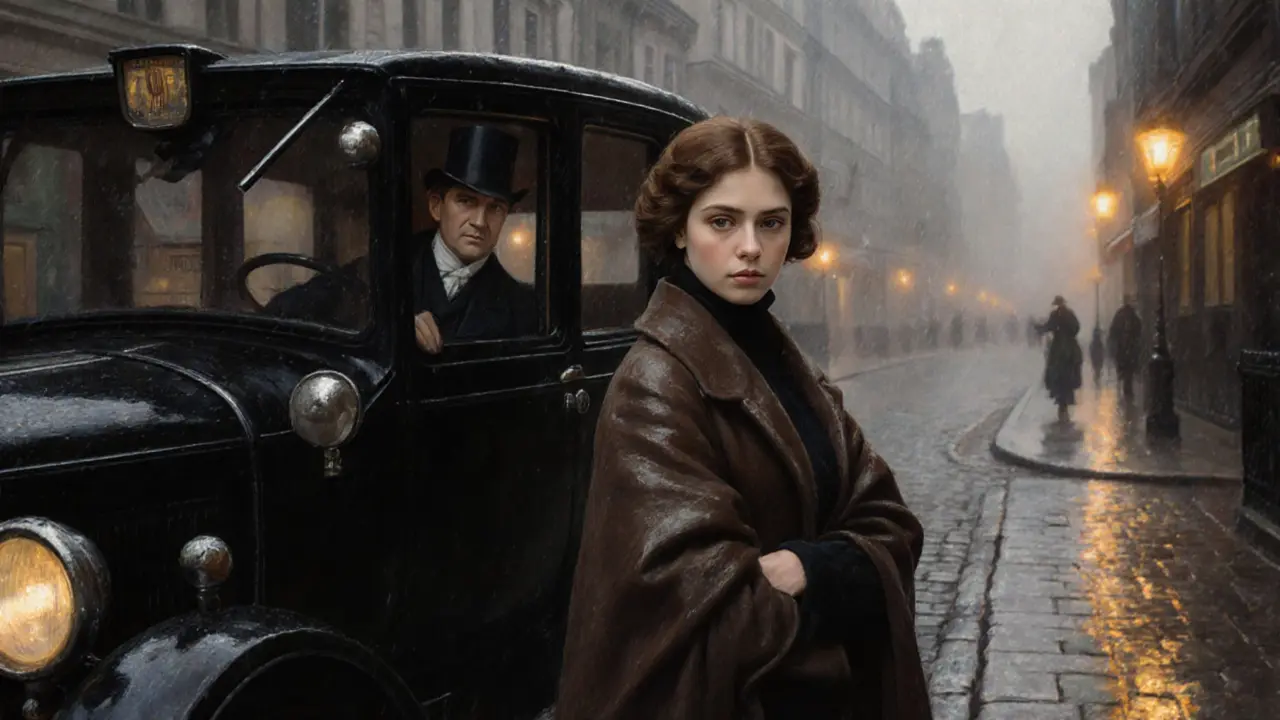
In the late 1800s, newspapers like The Times ran sensational stories about “courtesans” and “secretaries” who catered to wealthy men. While the term “escort” didn’t exist yet, the visual cue of a dark‑haired woman was already in place. Artists such as John Everett Millais painted women with glossy brown hair standing beside gentlemen in hansom cabs, subtly signaling a world of discretion and danger. These early images linked brunette hair to mystery and allure, setting a template that later storytellers would borrow.
The Golden Age of Cinema: Hollywood’s Brunette Bombshell
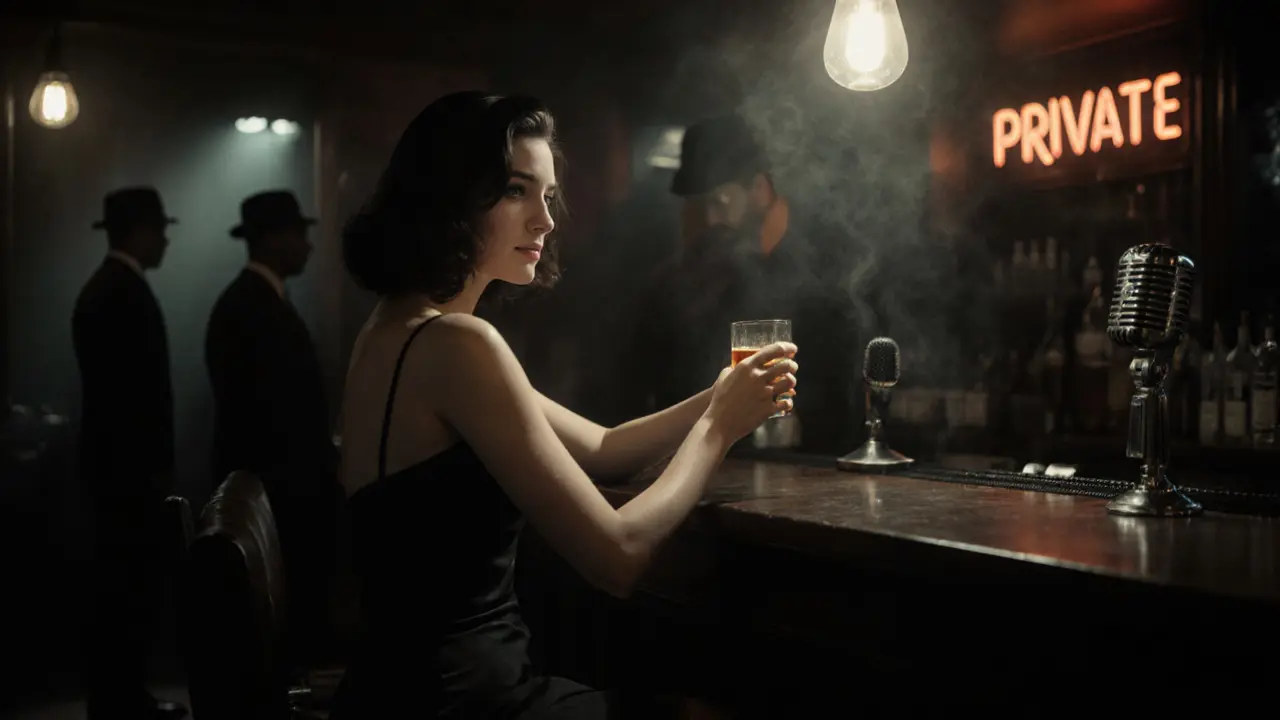
Hollywood’s 1930s‑40s melodramas cemented the brunette as the “dangerous” counterpart to the platinum‑blonde heroine. In films like Gilda (1946), Rita Hayworth’s dark curls were framed against smoky bars, hinting at a life of illicit glamour. Film noir director Billy Wilder famously described a “femme fatale in a black dress with black hair” as the visual shorthand for a woman who could sell anything-whether a secret or a body. This era also introduced the idea that a brunette escort could be both a victim and a powerful negotiator, a duality that still resurfaces today.
Sexual Revolution of the 1970s and 80s: From Counterculture to Mainstream
The swinging sixties gave way to a more overt celebration of sexual freedom. Movies like Midnight Express (1978) and American Gigolo (1980) featured dark‑haired women as companions who explicitly traded affection for cash. Music icons such as Donna Summer and Grace Jones, both known for striking brunette looks, appeared on album covers alongside lavish, opulent settings, turning the escort aesthetic into a badge of empowerment. The feminist movement of the time sparked debate: were these portrayals exploiting women, or were they highlighting a form of agency?
The 1990s TV Boom: From Guest Star to Recurring Character
Television in the 1990s began to treat the brunette escort as a recurring, fleshed‑out character rather than a one‑off plot device. Shows like Friends (Episode “The One with the Blackout”) and The Simpsons (episode "The Twisted World of Marge Simpson") used humor to tackle the subject while still reinforcing stereotypes-dark hair, sultry voice, and a penchant for high‑end hotels. At the same time, cable series such as Sex and the City presented the escort world as a network of services, subtly normalizing the profession in the eyes of a mainstream audience.
Digital Age: Websites, Blogs, and the Rise of the Influencer
When the internet became mainstream in the early 2000s, escort directories went online. Sites like CityVibe and EscortGuide used stock photos featuring dark‑haired models to attract clients, replicating the old Hollywood aesthetics but with a click‑through rate. Bloggers began to write first‑hand accounts, demystifying the industry and challenging the notion that all brunettes were seductive villains. By the 2010s, Instagram turned the escort into a brand: a dark‑haired woman could post curated lifestyle snaps, showcase designer outfits, and embed a discreet link to a booking site-all while maintaining a façade of glamour.
Social Media Explosion: TikTok, OnlyFans, and the New Visual Language
Today, TikTok’s 15‑second clips and OnlyFans’ subscription model have given brunettes a direct line to audiences. A creator with glossy brown hair might post a dance routine, then slip in a playful caption about "private sessions" that leads followers to a paid page. This self‑curation reshapes the power dynamic: the escort now controls the narrative, the lighting, and the profit. However, the same platform also amplifies harmful tropes-click‑bait titles that promise “the hottest brunette escort experience” still rely on age‑old stereotypes to drive traffic.
Contemporary Debate: Feminism, Consent, and the Future of Representation
Modern feminist scholars argue that the image of the brunette escort can either reinforce patriarchal objectification or serve as a vehicle for sexual autonomy, depending on context. In the UK, a 2023 report by the Office for National Statistics showed a 12% increase in people identifying as sex workers, with a notable rise in self‑identified “independent” escorts who choose branding, hair color, and service terms themselves. Meanwhile, mainstream media-think the Netflix series Bonding-portrays a dark‑haired escort who negotiates boundaries, contracts, and finances, providing a more nuanced picture that resonates with today’s consent‑focused culture.
Key Takeaways - A Quick Reference
| Decade | Typical Medium | Core Stereotype | Agency Level |
|---|---|---|---|
| 1900s‑1930s | Print & stage | Mysterious seductress | Low - often victim narrative |
| 1940s‑1960s | Film noir | Femme fatale | Medium - manipulative yet powerful |
| 1970s‑1980s | Music videos & magazines | Sexual rebel | Medium‑high - claims of empowerment |
| 1990s‑2000s | TV sitcoms & cable drama | Comic side‑kick | Low‑medium - often a joke |
| 2010s‑2020s | Social media & streaming | Brand‑focused entrepreneur | High - self‑directed narrative |
What This Means for Readers and Creators
If you’re a writer, understanding the legacy of the brunette escort can help you avoid lazy tropes and instead craft characters with depth. If you work in the escort industry, recognizing how visual branding has shifted - from smoky barroom silhouettes to polished Instagram grids - can inform how you market yourself responsibly. And if you’re a cultural observer, the evolution tells a broader story about how society negotiates desire, consent, and commerce.
Frequently Asked Questions
Why do brunettes appear more often than blondes in escort portrayals?
Historically, dark hair has been linked to mystery and exoticism in Western art. Filmmakers and advertisers used that visual cue to create a contrast with the "pure" blonde archetype, making the brunette a natural choice for roles that needed an edge.
Has the rise of social media improved the safety of brunette escorts?
Platforms like OnlyFans let escorts vet clients through subscriptions and direct messaging, which can reduce street‑level risks. Yet, the digital trace also opens doors to doxxing and non‑consensual sharing of content, so safety still depends on personal security practices.
Do modern portrayals reflect the real experiences of sex workers?
Many contemporary shows aim for authenticity by consulting sex‑worker advocates. However, mainstream media still leans on sensationalism, so viewers should seek first‑hand accounts or reputable research for a fuller picture.
What legal changes in the UK have impacted the escort industry?
The 2022 amendment to the Sexual Offences Act clarified the distinction between consensual adult work and exploitation, giving independent escorts clearer rights while still imposing stricter advertising rules for agencies.
Will AI-generated avatars replace human brunette escorts?
AI models can create realistic virtual companions, but the demand for genuine human connection, negotiation, and physical presence suggests a hybrid future rather than a full replacement.
Understanding how the image of the brunette escorts has morphed across decades gives you a lens to see broader cultural shifts. Whether you’re a creator, a consumer, or just curious, the story behind the dark hair is a snapshot of society’s evolving dance with desire, power, and representation.